Audi Q3 Price in Lubbock
As of , the average Audi Q3 in Lubbock sells for $49,902, based on 2 verified deals on CarWhere. Buyers are negotiating an average of 2% off MSRP. Prices range from $48,883 to $50,920.
Updated
2 deals from Lubbock area dealerships • Avg 2% off MSRP
As of , the average Audi Q3 in Lubbock sells for $49,902, based on 2 verified deals on CarWhere. Buyers are negotiating an average of 2% off MSRP. Prices range from $48,883 to $50,920.
Sales Tax
6.25% state rate
Doc Fee
No state cap
Registration
$50.75
Title Fee
$33
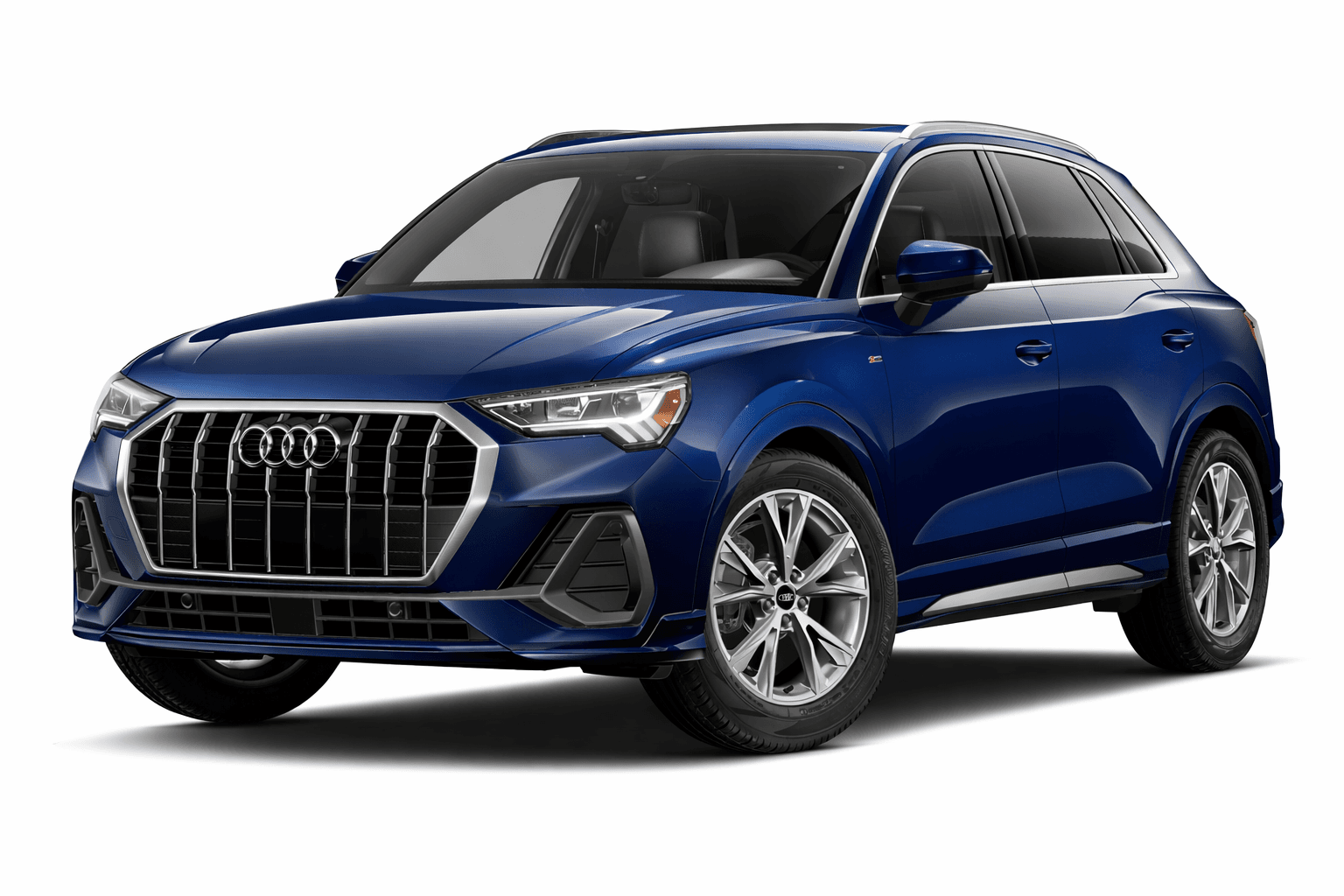
S Line Dri
Our AI agent emails the dealers, negotiates written out-the-door quotes with verified buyer data, and flags every junk fee — you approve the final deal. No calls, no showroom pressure.
The Audi Q3 averages $49,902 in the Lubbock area, based on 2 verified transactions. Prices range from $48,883 to $50,920 depending on trim and options. For the 75th-percentile target price specific to Lubbock buyers and your exact trim, sign up for CarWhere PRO at $12.99/month.
Lubbock-area buyers are negotiating an average of 2% off MSRP on the Audi Q3. Local dealer competition and current inventory levels are the biggest factors in how much room you have to negotiate. CarWhere PRO ($12.99/month) gives you the trim-level target discount plus an AI quote analyzer that generates a counteroffer script for any Lubbock dealer offer.
Texas charges 6.25% state sales tax on vehicle purchases. Lubbock may add local taxes on top of the state rate. The out-the-door price — including all taxes, fees, and registration — is the only number that matters when comparing deals.
Prices for the same vehicle can vary by hundreds or thousands of dollars between cities due to dealer competition and local demand. Comparing deals across multiple Texas cities often reveals significant savings, especially if nearby markets have higher inventory levels.